
Why You Feel Disconnected After a Major Life Transition
You made the change. You got through it. So why do you still feel off? If you’re feeling disconnected after a major life transition, you’re not alone—and there’s a reason it feels this way.


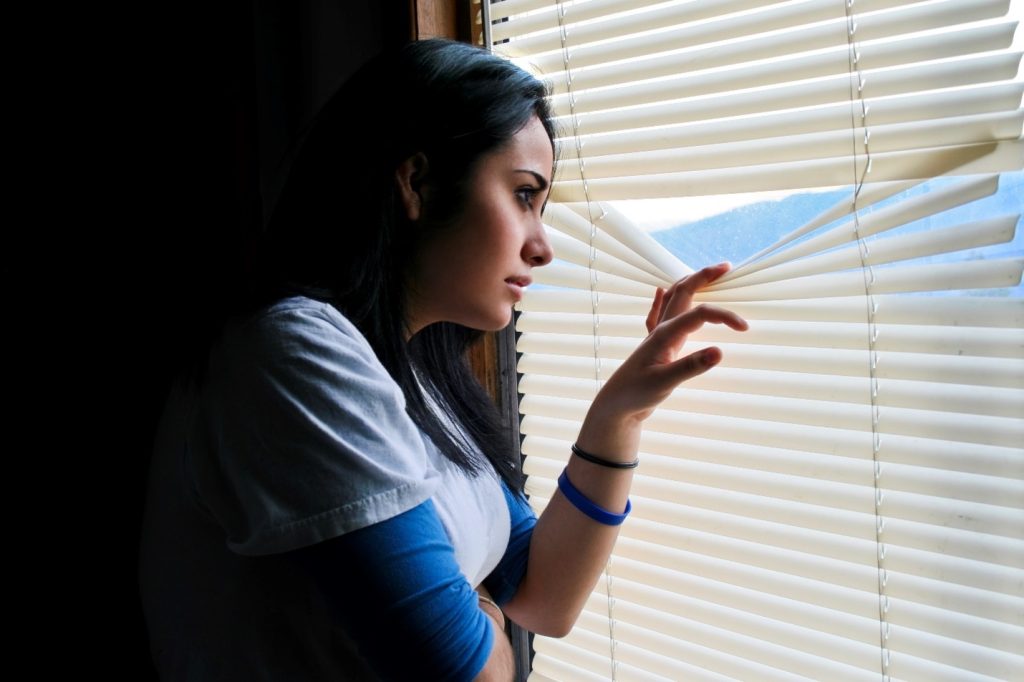
Ever notice how political news and social media can leave you feeling physically sick, anxious, or completely drained? You’re not alone. While it’s normal to feel stressed about politics, there’s a point where that stress can become something more serious. Let’s talk about how to protect your mental health while staying engaged with issues you care about.
Think of your brain’s stress system like a car with a gas pedal and brakes. The gas pedal (your stress response) gets pushed when you see upsetting political news. The brakes (your relaxation response) help you calm down afterward. But these days, many of us are hitting the gas over and over without ever getting to use the brakes. This constant stress takes a real toll on your body and mind.
Trauma happens when your brain’s stress system gets stuck in high gear. This can happen from one big event or from lots of smaller stressful moments that pile up over time – like constantly seeing your rights being debated, reading hostile comments, or getting scary news alerts. Each small stress adds up, like drops of water filling a bucket until it overflows.
When you’re stressed for too long, your brain actually changes how it works. Your body gets stuck in “fight-or-flight” mode (called the sympathetic state), where you’re constantly on high alert. It’s like your body is always preparing for an emergency, even when you’re just reading the news. Meanwhile, your “rest-and-digest” system (called the parasympathetic state) – which helps you feel calm and safe – has trouble kicking in.
Three important parts of your brain are affected:
It’s like your brain’s emergency system gets stuck in the “on” position, while the parts that help you stay calm, think clearly, and process what’s happening become less effective. This makes it harder and harder to tell real threats from false alarms, creating a cycle where everything starts feeling more threatening.
Watch out for these warning signs:
Protecting your mental health doesn’t mean you have to stop caring about important issues. Instead, try this approach:
Remember, while staying informed is important for social change, taking care of your mental health is absolutely necessary. Just like you can’t help others on the proverbial plane until you put on your own proverbial oxygen mask, you can’t effectively fight for causes you care about if you’re running on empty.
If you’re struggling with any of the warning signs mentioned above for more than a few weeks, consider reaching out to us. We can work together to develop personalized ways for you to stay engaged while protecting your mental health.
If you’re needing support in navigating political stress, we invite to you visit our therapy specialty pages:
If you’d like to connect with us, we welcome you to do so here.

You made the change. You got through it. So why do you still feel off? If you’re feeling disconnected after a major life transition, you’re not alone—and there’s a reason it feels this way.
When you’ve spent years trying to be strong, composed, or “good,” your nervous system often carries the weight in silence. This blog shares how somatic therapy offers a tender, body-based place to soften, breathe, and come home to yourself—now available to clients across Utah.

Childhood trauma doesn’t disappear just because we grow up. Our nervous system, relationships, and beliefs often carry the imprint of early experiences long into adulthood. In this article, I explore how childhood trauma shapes emotional patterns, attachment, and stress responses—and why your reactions make sense. With evidence-based insights from somatic therapy, attachment science, and neuroscience, you’ll learn how these patterns form and why healing is absolutely possible.

There’s a kind of hope that denies, suppresses, and belittles. And then there’s the hope that grows slowly, tenderly, from the cracks of your real life. This piece is an invitation to let down the first—and discover the second.

Living with pain changes more than your body—it shifts your sense of safety, connection, and even identity. I know because I live it. If you’ve ever felt unseen in your pain, this is for you. 💜

Sometimes we come to therapy thinking the real work will begin when we start talking about “the hard stuff.” But the truth is, for trauma survivors, the real work begins when safety starts to take root.