
Why You Feel Disconnected After a Major Life Transition
You made the change. You got through it. So why do you still feel off? If you’re feeling disconnected after a major life transition, you’re not alone—and there’s a reason it feels this way.



Relationships can be really tricky, and sometimes we can find ourselves in ones that are unhealthy or even abusive. One thing that can happen in these kinds of situations is something called “trauma bonding.” Trauma bonding is when you develop a strong emotional attachment to someone who is hurting you, even though you know the relationship is bad for you. It might seem strange, but trauma bonding is actually very common.
Trauma bonding happens when the person who is being abusive shows both positive and negative behaviors towards the victim. They might be loving and kind one minute, then cruel and manipulative the next. This pattern of rewards and punishments creates a really powerful emotional connection. The victim starts to feel like they depend on the abuser and that they can’t survive without them, even though the relationship is damaging them.
Research has shown that there are usually a few different stages that happen in trauma bonding relationships:
There are a few reasons why trauma bonding develops. First, the unpredictable way the abuser acts triggers the victim’s fear response, keeping them on edge and desperate to please the abuser so they don’t get hurt. This activates the brain’s reward system, so the victim starts to associate the abuser’s kindness with safety and comfort.
The abuser might also use sneaky tactics like gaslighting, where they make the victim think the abuse is their own fault or that they’re “crazy” for seeing the relationship as unhealthy. Over time, this can really mess with the victim’s self-esteem and sense of reality.
Ultimately, trauma bonding isn’t a choice – it’s a complex trauma response that the brain uses to try to cope with an abusive situation. Victims aren’t weak or foolish for becoming attached to their abusers. They’re just doing their best to survive.
If you’re in a trauma-bonded relationship, know that you’re not alone and there is hope. Breaking free is possible, but it takes time, support, and lots of self-compassion. Here are some steps that can help:
At the end of the day, healing from trauma bonding is about reclaiming your worth and your power. You deserve healthy, fulfilling relationships – and you have the strength to create them, even if it feels impossible right now. With the right support and self-compassion, you can break the cycle and build the life you deserve.
Learn More
If you’re interested in learning about trauma therapy, we invite you to check out our Trauma Therapy Page.
If you’d like to reach out to us, you are welcome to contact us here.

You made the change. You got through it. So why do you still feel off? If you’re feeling disconnected after a major life transition, you’re not alone—and there’s a reason it feels this way.
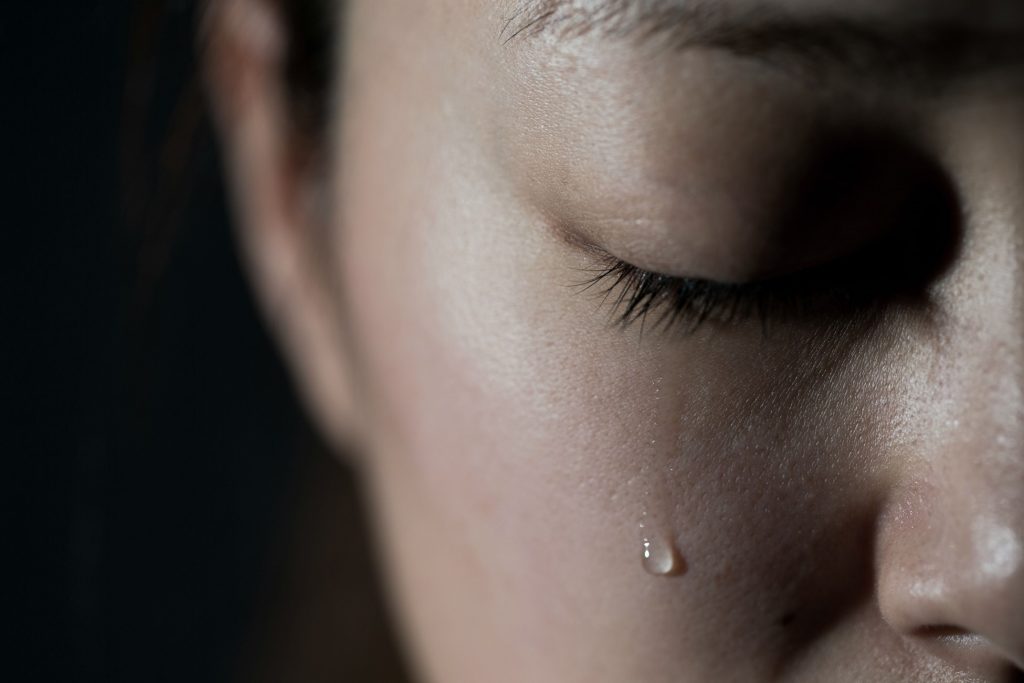
When you’ve spent years trying to be strong, composed, or “good,” your nervous system often carries the weight in silence. This blog shares how somatic therapy offers a tender, body-based place to soften, breathe, and come home to yourself—now available to clients across Utah.

Childhood trauma doesn’t disappear just because we grow up. Our nervous system, relationships, and beliefs often carry the imprint of early experiences long into adulthood. In this article, I explore how childhood trauma shapes emotional patterns, attachment, and stress responses—and why your reactions make sense. With evidence-based insights from somatic therapy, attachment science, and neuroscience, you’ll learn how these patterns form and why healing is absolutely possible.

There’s a kind of hope that denies, suppresses, and belittles. And then there’s the hope that grows slowly, tenderly, from the cracks of your real life. This piece is an invitation to let down the first—and discover the second.

Living with pain changes more than your body—it shifts your sense of safety, connection, and even identity. I know because I live it. If you’ve ever felt unseen in your pain, this is for you. 💜

Sometimes we come to therapy thinking the real work will begin when we start talking about “the hard stuff.” But the truth is, for trauma survivors, the real work begins when safety starts to take root.